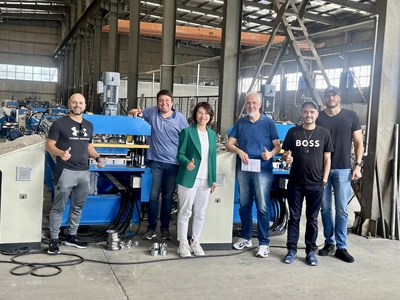
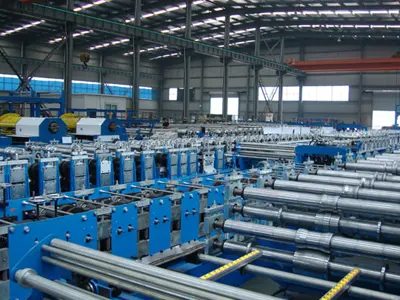
In the modern construction landscape, the fusion of traditional aesthetics with advanced engineering has revolutionized how we approach residential and commercial architecture. At the heart of this transformation is the step tile roll forming machine, a specialized piece of equipment that has become a cornerstone for manufacturers in the roofing industry. By converting flat metal coils into elegant, durable, and highly functional stepped roofing profiles, these machines offer a sustainable alternative to traditional clay and ceramic tiles.
For centuries, clay and concrete tiles have been the standard for premium roofing due to their classic appearance. However, their weight, fragility, and labor-intensive installation have led the industry to seek better alternatives. Enter the metal step tile.
Step tile metal sheets mimic the visual depth and texture of traditional tiles but bring the inherent strengths of steel or aluminum, namely, being lightweight, fire-resistant, and incredibly durable against harsh weather conditions. The demand for these machines has surged as contractors and developers look for ways to combine classic beauty with modern performance.
The production of step tiles is a precise mechanical process that requires high-level engineering. Unlike standard corrugated or IBR (Inverted Box Rib) profiles, step tiles require an additional pressing or stepping phase.
The process typically follows these stages:
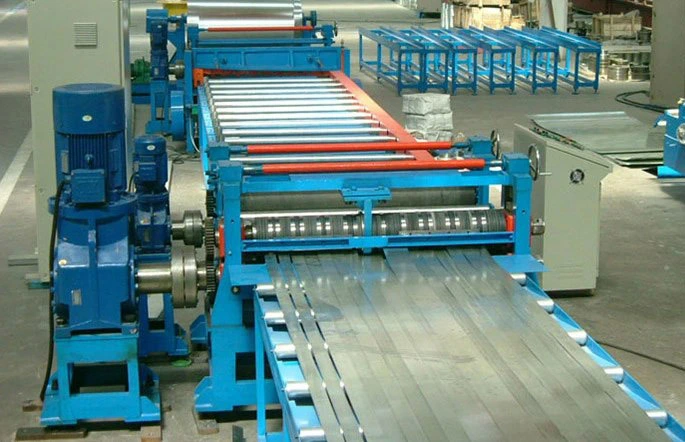
Decoiling: The metal coil (often pre-painted galvanized steel) is fed into the machine.
Feeding and Guiding: Ensures the material enters the rollers perfectly straight.
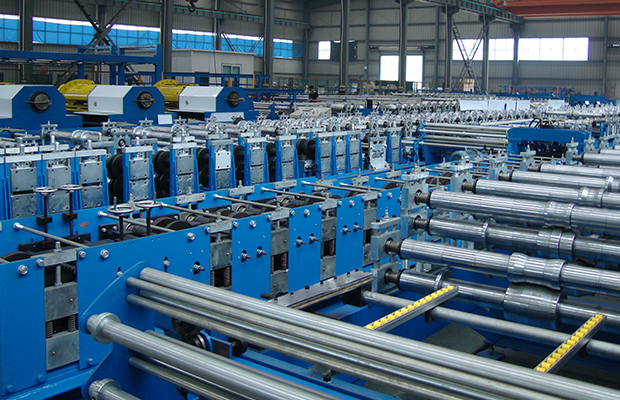
Roll Forming: A series of rollers gradually shape the flat metal into the desired wave or tile profile.
Hydraulic Stepping: This is the most critical part. A hydraulic press creates the vertical step at regular intervals, giving the sheet its characteristic tile-like appearance.
Cutting: An automatic hydraulic cutter clips the finished panel to the specified length.
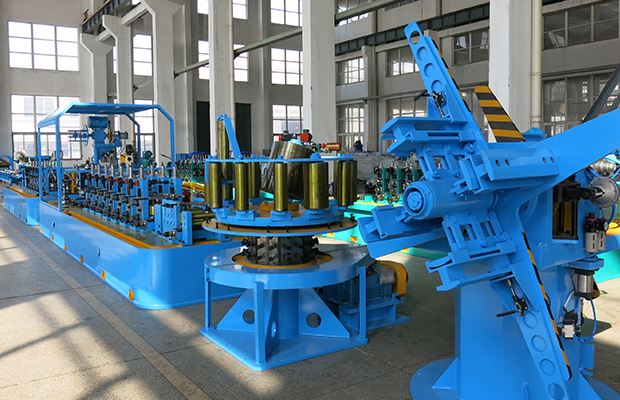
For companies looking to upgrade their production lines, choosing a manufacturer with a reputation for precision is vital. Hangzhou Roll Forming has emerged as a key player in this sector, offering high-performance roof and wall panel roll forming machines that are engineered to handle high-speed production without compromising the structural integrity of the metal. Their equipment is designed to ensure that each step is crisp and consistent, which is essential for the interlocking mechanism of the roof.
Step tile roll forming machines make things easy for the project:
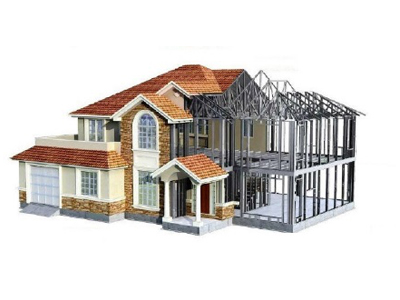
Metal step tiles are significantly lighter than clay or concrete. This means the underlying roof structure (the rafters and purlins) does not need to be as heavy-duty, which translates to significant savings in timber or steel costs during the building phase.
Because these machines produce long, continuous panels that can span from the ridge to the eave, installation is much faster than laying hundreds of individual small tiles. This reduces labor costs and ensures the building is closed-in and protected from the elements much sooner.
Modern metal tiles are coated with advanced polymers and zinc-aluminum alloys. They do not crack like ceramic, do not absorb water, and are highly resistant to moss and algae growth. This makes them a fit and forget solution for many homeowners.
In an industry where a fraction of a millimeter can be the difference between a leak-proof roof and a structural failure, the choice of a machine manufacturer is paramount. Reliable manufacturers provide machines equipped with PLC (Programmable Logic Controller) systems to ensure exact measurement and easy operation.
When evaluating a manufacturer, consider the following:
Customization: Can the machine be adjusted for different gauges of metal?
Material Compatibility: Does it work equally well with PPGI (Pre-painted Galvanized Steel) and aluminum?
After-Sales Support: Does the manufacturer provide technical training and spare parts?
Hangzhou Roll Forming excels in these areas by providing robust machinery that integrates seamlessly into existing production facilities. The roofing solutions are tailored to meet global standards, ensuring that whether a project is in the tropical heat or snowy climates, the resulting tiles will perform flawlessly.
As we look toward the future, the roofing industry is moving closer to complete automation. Future iterations of step tile roll forming machines are expected to feature even more advanced sensors to detect material flaws in real-time and AI-driven maintenance alerts to prevent downtime.
The environmental impact is also a major factor. Metal is 100% recyclable, and many manufacturers are now producing machines that minimize material waste during the cutting process. By investing in a high-quality step tile machine, manufacturers are not just selling a product; they are providing a sustainable, long-term solution for the housing crisis and commercial expansion.
The step tile roll forming machine is more than just a piece of industrial equipment; it is a bridge between traditional architectural beauty and modern industrial efficiency. By choosing the right manufacturing partner, businesses can ensure they are at the forefront of the roofing industry, delivering high-quality, durable, and aesthetically pleasing products that stand the test of time. As the demand for metal roofing continues to grow globally, these machines will undoubtedly remain the engine driving the industry forward.