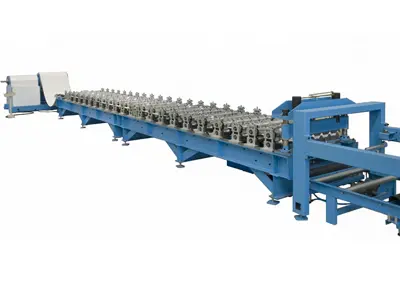
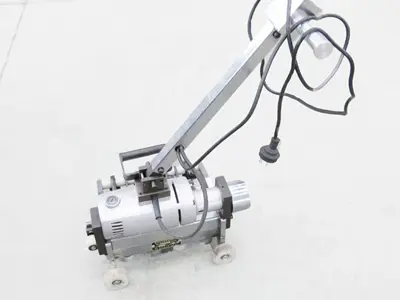
In the fast-paced world of metal processing and roll forming, efficiency begins long before the first bend is made. Every high-performance production line relies on a steady, controlled feed of raw material, and at the heart of this front-end operation lies the hydraulic decoiler machine. Often referred to as an uncoiler, this essential piece of equipment is responsible for holding, expanding, and unwinding heavy metal coils with precision, ensuring that the downstream machinery, whether it be a punch press or a roll former, receives material without tension or damage.
A decoiler is more than just a motorized spool. The decoiler serves as the starting point of any metal sheet production line. Its primary function is to support the metal coil, which can weigh anywhere from 3 to 20 tons, and release the strip at a speed that matches the production line’s requirements.
While manual decoilers exist for smaller, light-gauge operations, the hydraulic decoiler has become the industry standard for modern industrial applications. The hydraulic aspect refers specifically to the expansion of the mandrel (the central drum that holds the coil). Instead of laboriously cranking a manual screw to tighten the mandrel against the inner diameter of the coil, a hydraulic cylinder does the work in seconds, providing a much tighter and more secure grip.
Hydraulic decoilers offer a level of stability and automation that manual versions simply cannot match. Here are the primary components that make these machines indispensable:
Hydraulic Mandrel Expansion: This allows the machine to accommodate various coil inner diameters (ID) with ease. With the press of a button, the mandrel leaves expand outward to lock the coil in place, ensuring it remains centered and balanced during rotation.
The Loading Car (Coil Car): For heavy-duty operations, a hydraulic loading car is vital. It eliminates the need for a crane to perfectly align the coil with the mandrel. The car lifts the coil from the floor, moves it horizontally onto the mandrel, and lowers it into place, significantly reducing the risk of workplace injury and equipment damage.
Variable Speed Control: Most advanced hydraulic decoilers utilize an AC motor controlled by a Variable Frequency Drive (VFD). This allows the machine to synchronize its unwinding speed with the roll forming machine or press, preventing the material from jerking or sagging excessively.
A decoiler is only as good as its integration with the rest of the line. If the decoiler feeds the metal too quickly, the strip can bunch up and scratch; if it is too slow, it puts immense strain on the roll forming machine’s motor.
This is where manufacturers like Hangzhou Roll Forming excel. Providing high-quality decoilers that are specifically engineered for seamless integration, Hangzhou Roll Forming ensures that the transition from raw coil to finished profile is fluid. Their equipment often features sensor arms or ultrasonic sensors that detect the loop of the material. When the loop gets too small, the decoiler speeds up; when the loop grows, it slows down. This loop control is the secret to high-speed, continuous production without material fatigue.
For manufacturers looking to optimize their workflow, the transition to a hydraulic system offers several measurable benefits:
Increased Productivity: Coil changeover time is one of the most significant bottlenecks in a factory. A hydraulic mandrel and loading car can reduce changeover time from 20-30 minutes down to less than 5 minutes.
Material Protection: Metal coils, especially pre-painted steel (PPGI) or aluminum, are prone to surface damage. A hydraulic decoiler provides a smooth, jitter-free release, ensuring that the aesthetic quality of the roofing or wall panel is preserved.
Heavier Load Capacities: Hydraulic systems are built with robust frames and high-torque motors, allowing them to handle the 10-ton or 15-ton coils that are increasingly common in large-scale construction projects.
When selecting a hydraulic decoiler, manufacturers must consider several technical specifications. You must match the machine to your material's maximum width, maximum weight, and the inner/outer diameter of your typical coils.
Furthermore, you should look for features such as a pneumatic press arm. This arm sits on top of the coil and prevents clock-springing, a dangerous situation where the outer layers of a high-tension steel coil suddenly uncoil when the straps are cut.
In the modern competitive landscape, the un-sung components of the factory floor often make the biggest difference in the bottom line. The hydraulic decoiler machine is the foundation upon which high-speed production is built. By automating the heavy lifting and ensuring a synchronized feed, these machines allow roll forming lines to reach their full potential.
For businesses aiming for world-class efficiency, investing in premium decoilers from a trusted manufacturer like Hangzhou Roll Forming is a strategic move. By combining robust hydraulic power with intelligent control systems, these machines ensure that your production line remains steady, safe, and ready to meet the demands of the global market. Whether you are producing simple C-channels or complex step tiles, the journey to a perfect finished product begins with a high-quality hydraulic decoiler.