In the vast landscape of modern industrial manufacturing, few processes are as vital yet overlooked as roll forming. From the structural steel beams that support skyscrapers to the sleek trim on high-end vehicles, roll forming machinery is the silent engine driving mass production across multiple sectors. This continuous metal-bending process has evolved from a simple mechanical operation into a highly sophisticated, computer-controlled discipline that defines efficiency in the 21st century.
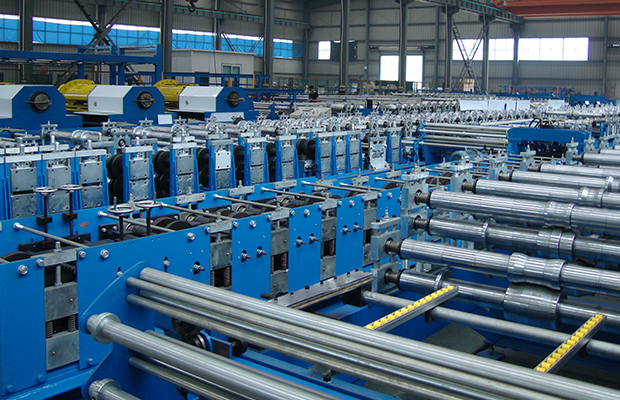
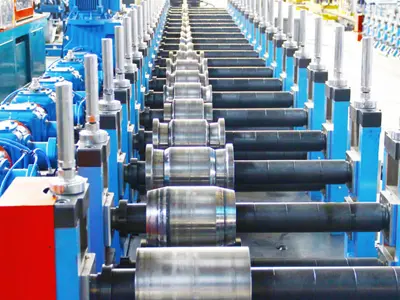
Roll forming is a continuous manufacturing process that transforms flat metal strips into a specific, uniform cross-sectional profile. The material is fed through a series of tandem-mounted rollers. Each set of rollers performs an incremental part of the total bend. By the time the metal reaches the end of the machine, it has been shaped into the desired geometry.
The beauty of roll forming process lies in its incremental nature. Unlike press braking or stamping, which can stress the metal through sudden force, roll forming gently coaxes the material into shape. This reduces internal stress and prevents the cracking or warping often associated with more aggressive fabrication methods.
The widespread adoption of roll forming machinery is driven by several key advantages that make it superior to alternative metal-working techniques for specific high-volume applications:
Unmatched Efficiency and Speed: Roll forming is a high-speed process. Once a machine is set up, it can produce thousands of feet of finished product per hour with minimal human intervention.
Exceptional Consistency: Because the rollers are fixed and the process is continuous, every inch of the finished profile is identical to the first. This is crucial for industries like construction, where interlocking panels must fit perfectly over large surface areas.
Complex Profile Capability: Modern machinery can create intricate shapes with multiple bends, hemmed edges, and integrated punching or embossing, all in a single pass.
Material Economy: Roll forming produces very little waste. Unlike machining, which removes material, roll forming simply reshapes it. Furthermore, because the process increases the structural strength of the metal through work hardening, manufacturers can often use thinner, lighter-weight gauges without sacrificing performance.
In an industry where a deviation of a single millimeter can lead to massive production delays, the choice of equipment provider is paramount. Manufacturers looking to modernize their facilities or expand their capabilities require machinery that is both robust and flexible.
Hangzhou Roll Forming has emerged as a globally recognized leader in this space. Specializing in the design and manufacture of high-performance roll forming machines, the company provides solutions that cater to a vast array of industrial needs from simple C/U channels used in light-gauge steel framing to complex, heavy-duty profiles for infrastructure projects. The equipment is characterized by high-precision rollers, advanced hydraulic cutting systems, and intuitive control interfaces, ensuring that even the most demanding production schedules are met with ease.
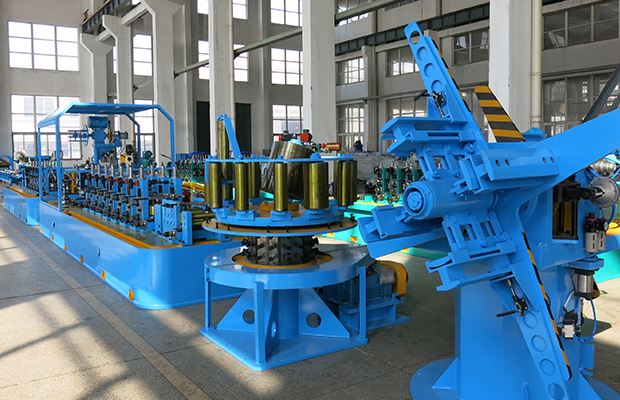
A complete roll forming line is a masterpiece of synchronized engineering. While the rollers are the heart of the machine, several other components are essential for a professional-grade output:
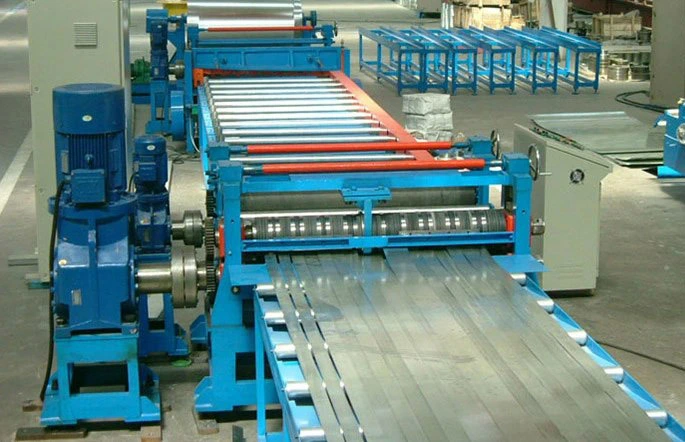
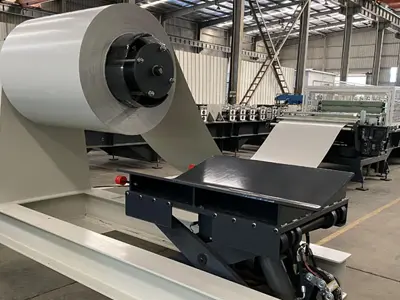
The Decoiler: This holds the heavy metal coil and feeds it into the machine at a controlled speed, ensuring there is no tension that could distort the material.
The Feeding and Guiding System: This ensures the metal strip enters the first set of rollers perfectly straight.
The Roll Forming Stations: This is where the magic happens. A series of precisely machined dies (rollers) gradually shape the metal. High-quality machines, such as those offered by Hangzhou Roll Forming, use rollers made from heat-treated alloy steel to ensure longevity and surface finish quality.
The Cutting System: Most modern machines utilize a flying cut-off, which allows the profile to be cut to length without stopping the machine, maximizing throughput.
The PLC Control System: This is the brain of the operation. Operators can input lengths, quantities, and speeds via a touchscreen, allowing the machine to run autonomously with extreme precision.
The versatility of roll forming machinery means its products are everywhere. In the Renewable Energy sector, roll forming is used to create the long, durable rails required for solar panel mounting systems. In the Logistics industry, it produces the heavy-duty uprights and beams for warehouse racking systems.
The Construction industry remains the largest consumer of roll-formed products. Beyond roofing and wall panels, the technology is used to create steel studs, track systems, and even the intricate step tiles that give residential homes a classic look with modern durability. By utilizing advanced roll forming machines, contractors can source materials that are exactly cut to size, reducing on-site labor and waste.
As we look toward the future, roll forming machinery is becoming increasingly smart. Industry 4.0 integration allows these machines to connect to factory networks, providing real-time data on material usage, machine health, and production efficiency. Furthermore, as the world focuses on sustainability, roll forming’s ability to work with recycled steel and its low energy consumption compared to hot-working processes make it the preferred choice for green manufacturing.
Roll forming machinery represents the perfect synergy of traditional mechanical principles and cutting-edge digital technology. It empowers manufacturers to produce high-strength, high-precision components at a scale that was unimaginable a century ago. By partnering with industry experts like Hangzhou Roll Forming, businesses can access the roll forming machine technology needed to stay competitive in an ever-evolving global market. Whether building the infrastructure of tomorrow or the consumer goods of today, roll forming continues to shape the world, one profile at a time.