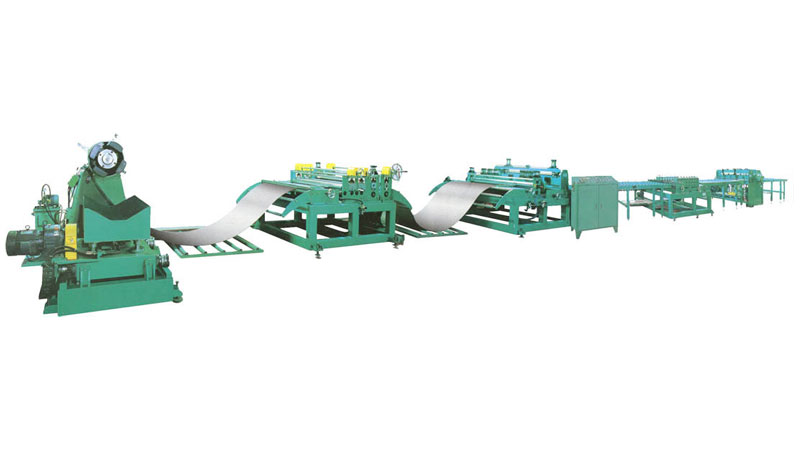
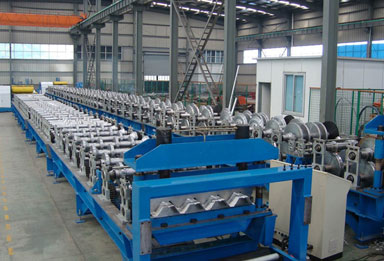
When purchasing roll‑forming machines, overseas buyers are easily tempted by extremely low initial quotations. However, seasoned procurement professionals understand that the true cost of a machine extends far beyond the figure stated on the invoice. Long‑term operational stability and product quality control are the real tests.
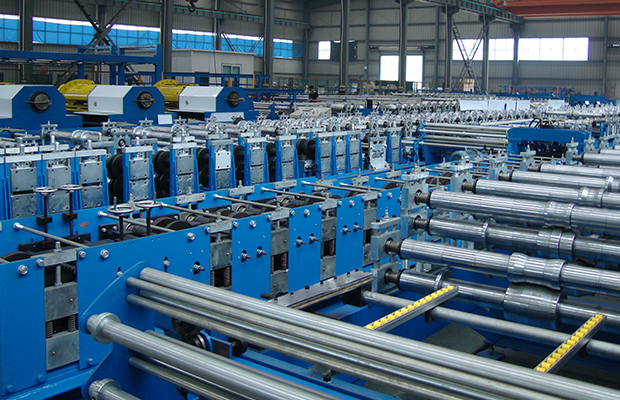
First comes the material and heat‑treatment process of forming rolls. High‑quality forming rolls require precision CNC machining and rigorous quenching heat treatment to achieve optimal hardness. By contrast, cutting‑corner rolls will suffer severe wear after a period of production, which directly results in deformed finished profiles.
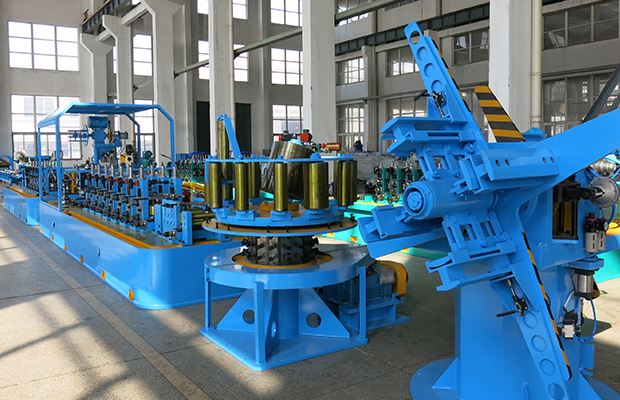
Furthermore, a lightweight machine base will generate intense vibration during high‑speed operation or cutting. Even minor displacement will compromise forming accuracy. Only robust bases fabricated from heavy‑gauge welded steel and subjected to stress‑relief treatment can absorb vibration and guarantee decades‑long stable performance.
Beyond mechanical hardware, the brand of the electrical control system and the manufacturer’s technical support capacity also constitute hidden costs that affect long‑term operations. Opting for low‑grade or obscure electrical components to cut costs can prove costly. Should breakdowns occur on overseas production lines, spare parts will often be locally unavailable, leading to incalculable downtime losses.
Select equipment fitted with globally recognized brand‑name electrical controls. In the pre‑selection phase, prioritize integrated manufacturing‑and‑trade suppliers capable of providing clear video‑based guidance, accessible technical drawings and prompt response services. This ensures global compatibility of your machinery and saves you substantial after‑sales headaches down the line.