Metal roof sheets have become a mainstream option for modern‑day buildings thanks to their durability, light weight and easy installation. This article elaborates on the structural features, application scenarios and manufacturing processes of three widely‑used roof profiles: IBR, corrugated sheet and metal step tile (Qtile 1050), to support you in making well‑informed project‑specification decisions.
IBR (Inverted Box Rib) ranks among the most extensively adopted roof profiles for industrial buildings worldwide.
High‑rib profile: 36‑38 mm rib height delivers outstanding water drainage performance. It handles heavy‑rain conditions and effectively prevents rainwater backflow.
Box‑shaped reinforcing ribs: Its distinctive square‑rib design greatly boosts bending strength. Larger purlin spacing is permitted, cutting consumption of underlying steel and timber structures.
Secure side lap: Usable cover width of 686 mm. Side overlaps sit on full‑height ribs for reliable lateral water‑tight performance.
Anti‑corrosive coating: Normally supplied with AZ150 aluminium‑zinc coating or PPGI pre‑painted galvanized steel, suitable for long‑term outdoor exposure to sun and rain.
Large‑scale factories, logistics‑storage warehouses, supermarkets, aircraft hangars and other long‑span constructions.
Load‑bearing capacity of IBR sheets is directly determined by rib height and base‑metal thickness. For typhoon‑prone regions, base material thickness of 0.5 mm or above is recommended, with a minimum rib height of 36 mm.
Corrugated sheet is the most commonplace roof cladding material, well‑known for excellent cost‑performance.
Maximum effective coverage: Effective cover width reaches 762 mm. It offers the largest covered area per unit raw material for the lowest unit cost.
Low‑rib design: 17‑18 mm rib height provides moderate drainage capacity. Good flexibility allows curving for arched roof applications.
Widely‑available accessories: Flashings, end caps, fasteners and other fittings are abundantly available on the market for easy procurement.
Low‑cost residential buildings, self‑built rural houses, temporary structures, site hoardings, simple warehouses, etc.
Owing to low rib height and relatively lower rigidity, closer purlin spacing is required for long‑span applications. Corrugated sheet represents the most economical choice for projects with limited budgets and low aesthetic requirements.
Metal step tile (Qtile 1050, also referred to as step tile) is a high‑end product gaining popularity in residential markets in recent years. Unlike conventional ceramic or clay tiles, it is roll‑formed and press‑stamped from pre‑painted steel coils.
Stepped profile: Based on longitudinal corrugations, transverse stamping forms stepped segments (pitch: 250‑300 mm, step height:10‑20 mm). After installation, it reproduces the overlapping visual effect of traditional clay tiles with rich layered appearance.
Lightweight yet strong: Only one‑tenth the weight of traditional clay tiles, significantly lowering load requirements for roof support structures.
Wide effective width: 1050 mm effective cover width brings less material waste and faster installation compared with standard step tiles (800‑900 mm).
Superior waterproof performance: Continuous panels run from ridge to eaves with minimal joints, eliminating leakage risks caused by broken conventional tiles.
Urban single‑family homes, villa compounds, resorts, high‑end homestays and other projects with strict aesthetic requirements.
Production speed for metal step tile is inherently much lower than IBR and corrugated sheets, at approximately 3‑5 meters per minute due to its forming process. Confirm lead time with your supplier well in advance for time‑critical projects.
When specifying roof sheets, comprehensively evaluate the following factors:
Building usage: Industrial versus residential, which sets priorities for structural strength and aesthetics.
Local climate: Rainfall intensity and wind speed govern required rib height and sheet thickness.
Budget: Account for both material costs and installation expenses.
Delivery lead‑time: Especially for metal step tile; sufficient production lead‑time should be reserved.
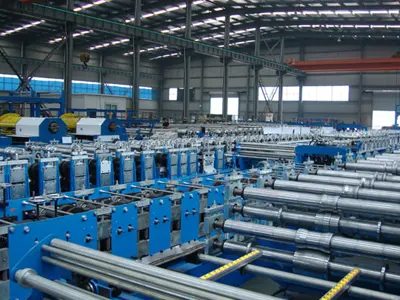
If you are evaluating roof‑sheet roll‑forming production lines, please send us drawings of target profiles. We can provide process feasibility assessment and equipment‑configuration recommendations.