In the world of heavy industrial manufacturing, efficiency is often measured by how quickly and safely raw materials move from storage to the production line. When dealing with metal coils, traditional material handling methods like forklifts or overhead cranes often fall short. They can be slow, pose significant safety risks, and frequently lead to material damage. To solve these challenges, the coil transfer cart (also known as a coil car) has become an indispensable asset for modern factories.
Metal coils, whether made of steel, aluminum, or copper, are the lifeblood of industries ranging from automotive manufacturing to metal roofing. However, their physical properties make them notoriously difficult to manage. Their immense weight requires specialized lifting capacity, while their cylindrical shape makes them prone to rolling, which can lead to catastrophic accidents on the factory floor.
Furthermore, the surface of these coils, especially pre-painted galvanized steel (PPGI), is highly sensitive. A single slip from a forklift tine or a rough landing from an overhead crane can scratch or dent the outer layers, leading to significant material waste. The coil transfer cart was specifically engineered to mitigate these risks by providing a stable, low-profile, and highly controllable transport solution.
At its core, a coil transfer cart is a motorized platform designed to move heavy coils along a fixed path or across an open floor. Most industrial models feature a distinctive V-shaped deck. This cradle design ensures that the cylindrical coil remains centered and secure, preventing any lateral movement during transport.
The operation typically involves three main movements:
Horizontal Travel: The cart moves from a storage bay to the front end of a production line, usually the decoiler.
Vertical Lifting: Equipped with heavy-duty hydraulic cylinders, the cart can lift the coil to the exact height of the decoiler’s mandrel.
Loading: The cart slides the coil onto the mandrel, or the mandrel expands into the coil’s inner diameter, at which point the cart lowers and retracts.
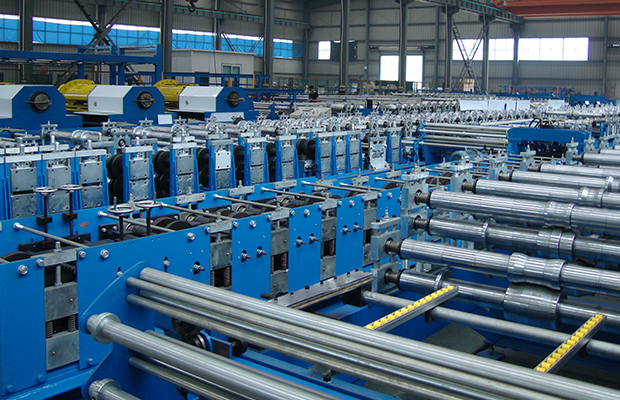
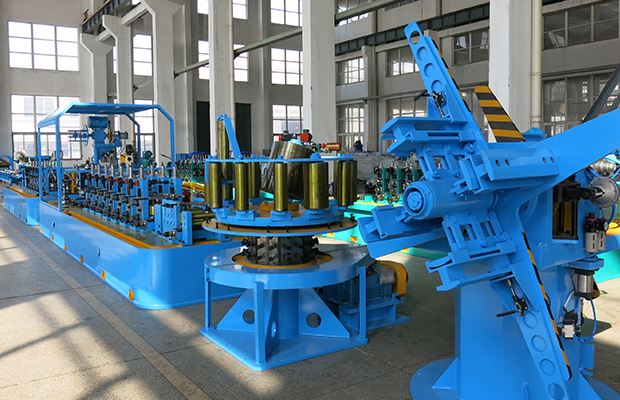
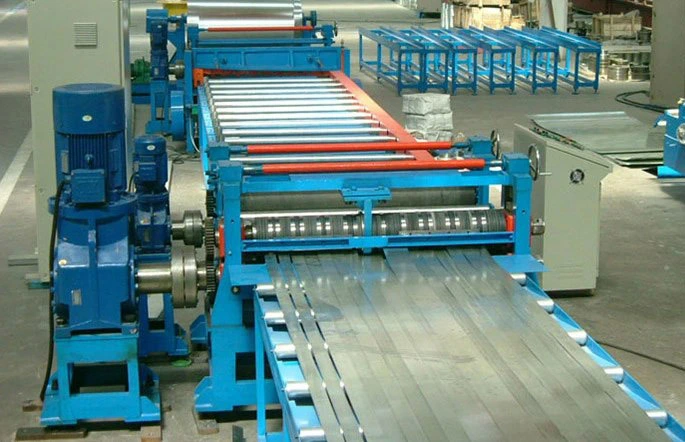
In a high-speed production environment, the transition between raw material and forming process must be seamless. This is why manufacturers often integrate material handling equipment directly with their roll forming lines.
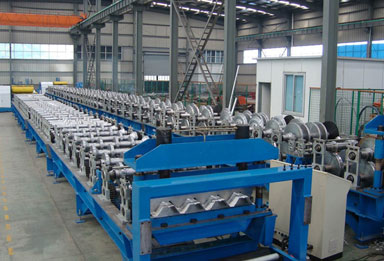
Hangzhou Roll Forming has recognized this need for integrated efficiency, offering specialized coil transfer carts that are engineered to complement their world-class roll forming machinery. These carts are designed to handle the heavy-duty requirements of the roofing and structural steel industries. By utilizing a coil transfer cart from Hangzhou Roll Forming, factory owners can significantly reduce the dead time associated with coil changeovers. Instead of waiting for a crane operator to become available and then struggling to align a 10-ton coil with a mandrel, the cart allows for a push-button loading process that is both faster and far safer for the operator.
The most immediate impact of a coil car is the reduction in downtime. In traditional setups, changing a coil can take 20 to 30 minutes. With a dedicated transfer cart, this can be reduced to under five minutes. When calculated across multiple shifts and dozens of coil changes per week, the increase in total production time is substantial.
Handling heavy coils with overhead cranes is a high-risk activity. Chains can fail, and the swinging motion of a suspended load is unpredictable. A coil transfer cart keeps the center of gravity low and the load grounded at all times. Most modern carts also include safety features like emergency stop buttons, warning lights, and ultrasonic sensors to detect obstacles in their path.
As mentioned, the surface quality of the metal is paramount. Many coil carts feature rubber-lined or nylon-protected V-decks. This soft-contact surface ensures that even the most delicate pre-painted or polished coils are moved without a single scratch, ensuring the final product, whether it’s a car door or a roof panel, is flawless.
Forklifts require wide aisles to turn and maneuver. In contrast, track-mounted coil transfer carts move in a straight line or along a fixed path, allowing for a more compact and organized factory layout. This lean approach to floor management allows for more machines or storage space within the same square footage.
When selecting a coil transfer cart, several technical factors must be considered to ensure it meets your facility's needs:
Weight Capacity: It is essential to choose a cart rated for your heaviest possible coil plus a safety margin.
Power Source: Carts can be powered by onboard batteries (offering more flexibility), cable reels (best for fixed paths), or even busbars.
Deck Design: Some carts offer adjustable V-blocks to accommodate coils of varying diameters.
Control Systems: High-end models feature wireless remote controls, allowing the operator to maintain a safe distance while precisely aligning the coil with the decoiler.
The coil transfer cart is a prime example of how specialized material handling equipment can transform industrial efficiency. By removing the bottleneck of coil loading and prioritizing safety, these machines allow manufacturers to focus on what they do best: producing high-quality metal components.
Investing in a robust coil transfer cart from a trusted manufacturer like Hangzhou Roll Forming is not just an equipment purchase; it is a strategic upgrade to your facility's logistics. As the manufacturing world moves toward greater automation and tighter production schedules, the ability to move heavy materials with speed and surgical precision will remain a key factor in staying competitive.