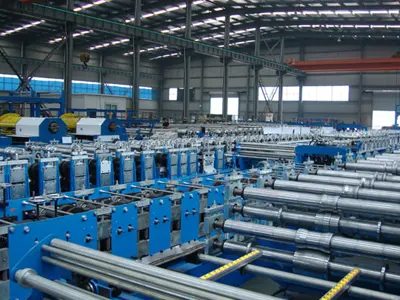
In the fast-evolving world of infrastructure, safety remains a top priority. One of the key components contributing to road safety is the highway guardrail, which is designed to protect both drivers and pedestrians from potential accidents. The guardrail forming machine plays a vital role in the production of these essential safety barriers, ensuring that they meet both quality and durability standards. This machine is responsible for shaping metal coils into robust, high-performance guardrails that can withstand the rigors of daily traffic and adverse weather conditions. In this article, we explore the significance of the guardrail forming machine and how it contributes to the creation of safe highways.
Highway guardrails are crucial elements of road safety systems. Their primary function is to prevent vehicles from veering off the road and colliding with hazardous obstacles such as trees, cliffs, or oncoming traffic. They are designed to absorb the energy of a collision, minimizing damage to vehicles and reducing the risk of injury to passengers. The guardrail forming machine plays an integral part in ensuring that these safety barriers are produced to the highest standards. With the ability to produce guardrails in various sizes, shapes, and strengths, the machine provides the flexibility needed for different types of roads and terrains.
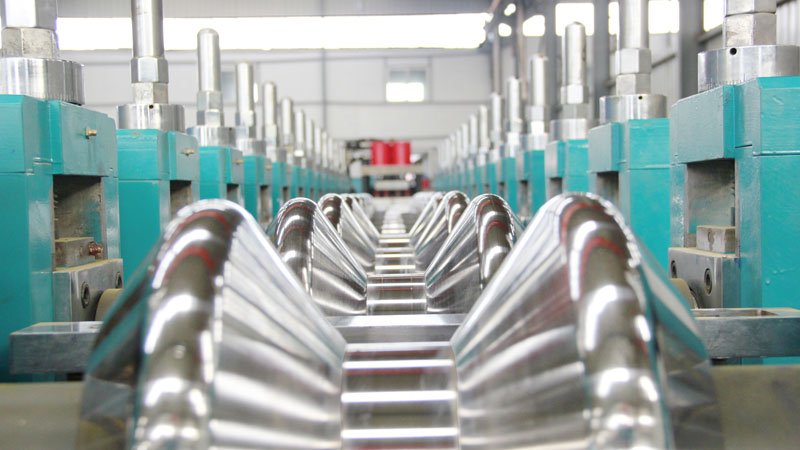
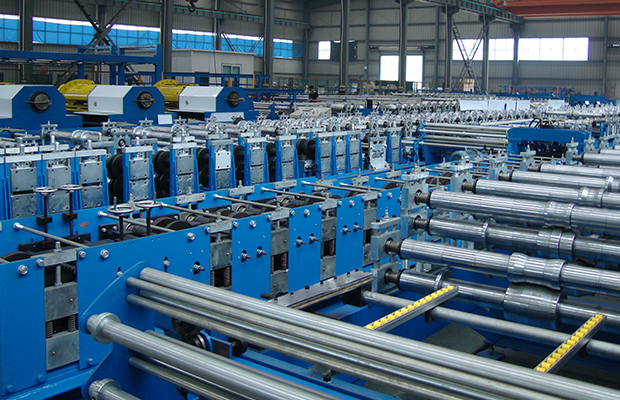
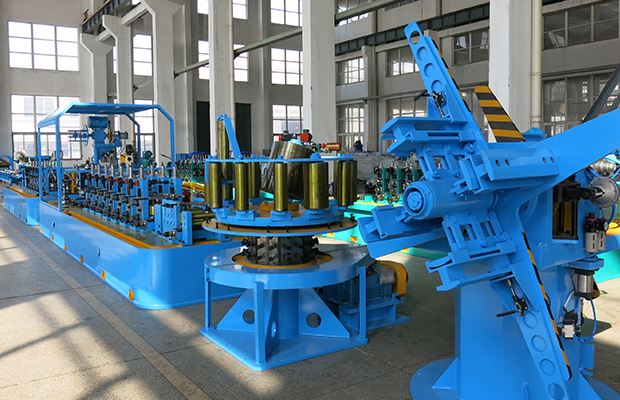
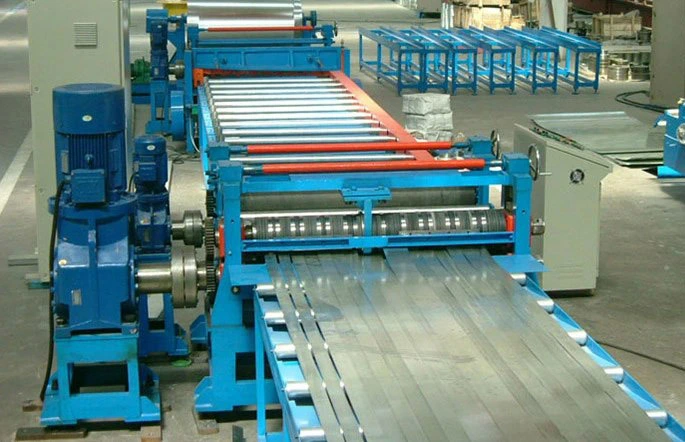
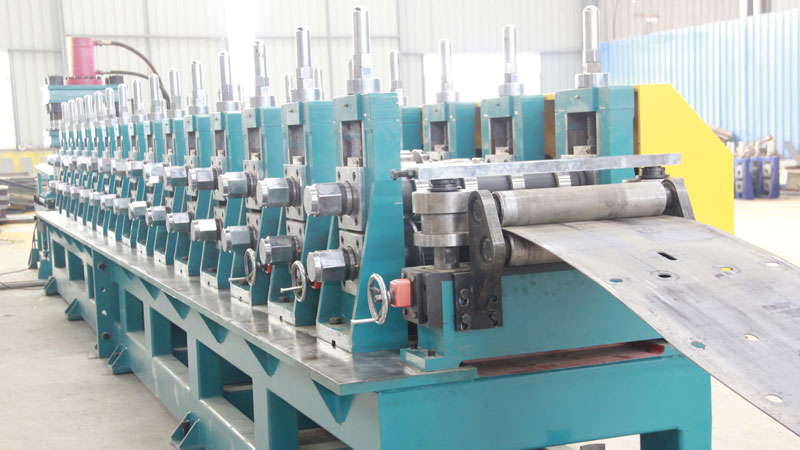
The guardrail forming machine is designed to efficiently convert metal coils into guardrail profiles. The process begins with uncoiling the metal, which is then fed into the machine, where it passes through a series of rollers. These rollers gradually shape the metal into the desired guardrail profile. The machine can be adjusted to accommodate different designs, such as single-sided or double-sided guardrails, and can produce various thicknesses and heights of guardrails based on project requirements.
One of the key advantages of the guardrail forming machine is its automation. Unlike traditional methods that may require extensive manual labor, this machine automates much of the process, increasing production efficiency while maintaining high levels of precision. Automated systems also help reduce the likelihood of defects, ensuring that every guardrail produced meets the necessary safety and quality standards.
Before the advent of the guardrail forming machine, guardrails were produced using manual processes that required significant labor and time. Workers would manually bend and shape metal sheets into guardrail forms, a process that was both slow and prone to human error. While this method was functional, it lacked the efficiency and precision that modern machinery offers.
In contrast, the guardrail forming machine provides a much more efficient and precise approach. With automated features, the machine can produce large volumes of guardrails quickly while ensuring consistent quality. This not only reduces labor costs but also increases the speed of production, enabling manufacturers to meet the demands of large-scale infrastructure projects in a timely manner. The high level of precision ensures that each guardrail is manufactured to exact specifications, resulting in better safety performance and a longer lifespan.
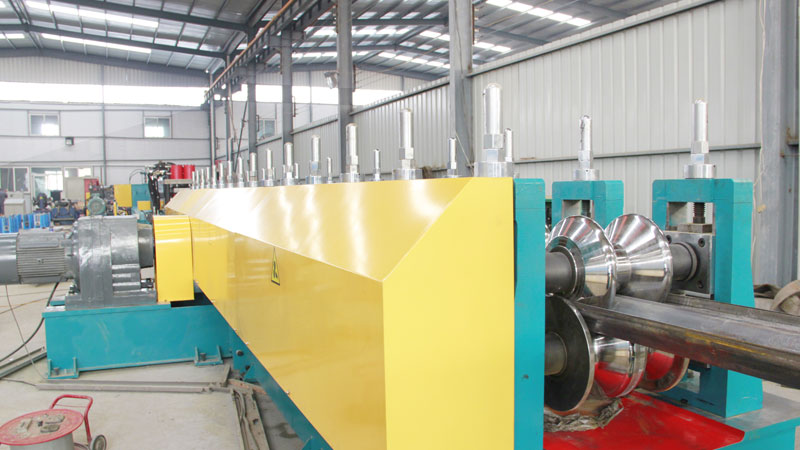
One of the standout features of the guardrail forming machine is its ability to customize the guardrails according to the specifications of different projects. Whether for urban roads, highways, or rural streets, the machine can be adjusted to create guardrails that suit the specific needs of the environment. For example, some roads may require higher or thicker guardrails to provide extra protection due to high-speed traffic or challenging weather conditions.
Additionally, the guardrail forming machine can handle various types of materials, including galvanized steel and stainless steel, allowing manufacturers to offer customized solutions that are not only strong but also resistant to corrosion. This customization ensures that the guardrails can withstand the environmental challenges they may face during their lifespan.
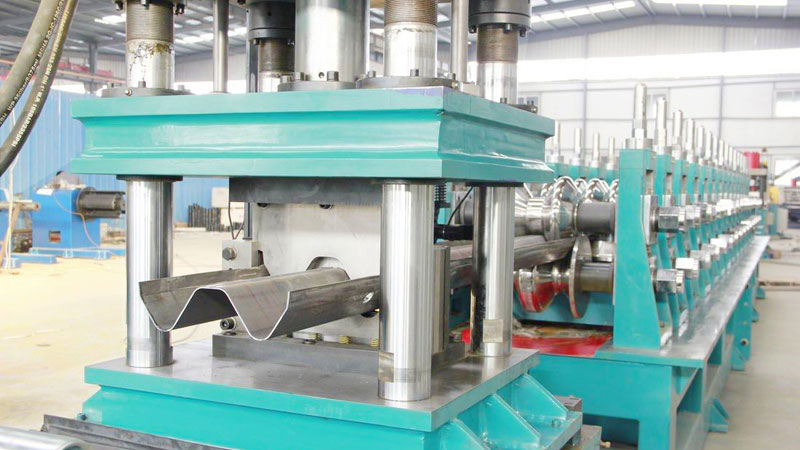
The guardrail forming machine plays an indispensable role in the modern infrastructure industry, contributing to the production of safe, durable, and high-performance highway guardrails. Its automation, customization options, and precision ensure that these safety barriers meet the ever-evolving demands of road safety. As the need for safer roads and highways continues to grow, the guardrail forming machine will remain at the forefront of creating the robust guardrails necessary to protect drivers and pedestrians alike. The advanced technology behind the machine not only increases production efficiency but also helps in maintaining the high standards required for road safety. By using the guardrail forming machine, manufacturers can ensure that every guardrail produced contributes to a safer and more secure future for everyone on the road.